
FIELD NOTES
What is a banya?
A traditional Russian steam bathhouse. A practice that runs a thousand years deep.
A banya is a traditional Russian steam bathhouse. Similar in structure to a Finnish sauna but with higher humidity, more elaborate ritual, and a deeper place in everyday life. Banyas have been central to Russian and Eastern European culture for over a thousand years. They are part bath, part wellness practice, part social institution.
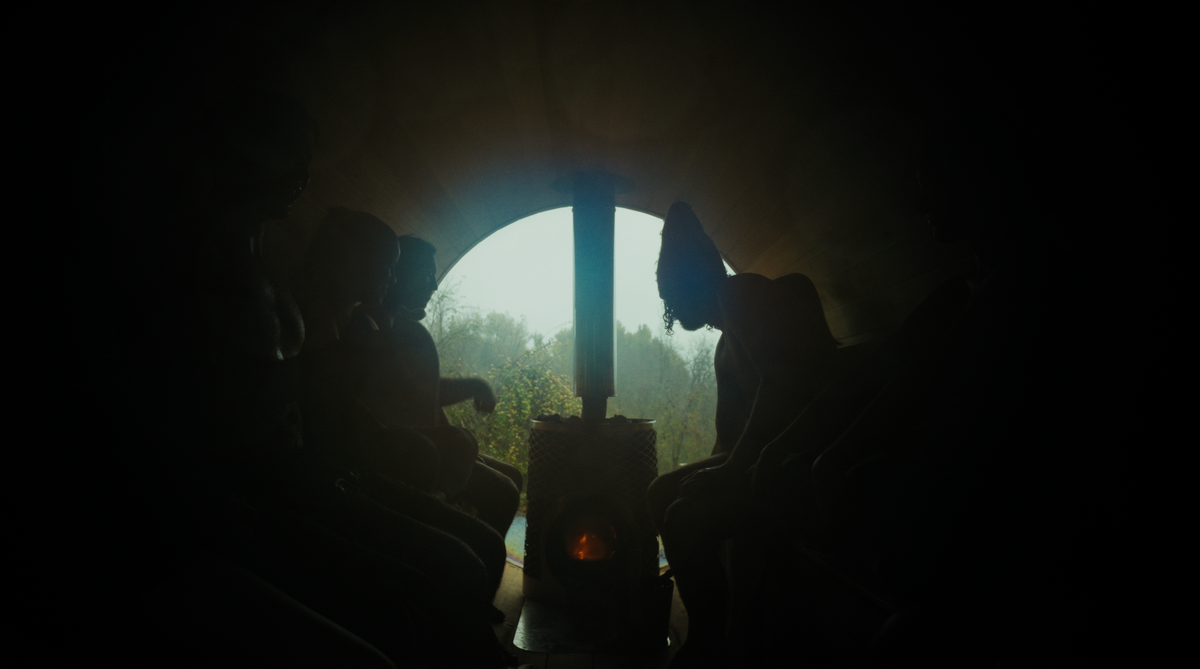
Inside, the air is thick with steam. The benches are tiered. People wear wool hats and slippers. Sometimes someone is being lightly beaten with a bundle of oak branches. There is vodka in the next room, and food. The session lasts hours.
01 / THE WORD
Banya, баня.
Banya (баня in Russian, pronounced BAH-nya) comes from the Latin balneum, meaning bath. The word is shared across Slavic languages. Polish, Ukrainian, Bulgarian, Serbian. The practice predates the word in any of them.
Russians have been building banyas since at least the 10th century. The first written reference appears in the Primary Chronicle, the oldest surviving Russian historical text, dated 1113. The practice was already old then.
Every village had one. Wealthy families built private banyas. Public banyas served entire neighborhoods. The Saturday banya was law. To this day, in much of Russia, Saturday is bath day.
02 / HOW IT DIFFERS FROM A SAUNA
More humidity. More ritual.
A Finnish sauna runs hot and dry. A banya runs slightly cooler but much wetter. The temperature inside a Russian banya is typically 160 to 180°F, with humidity that can reach 60 percent or higher when the löyly is going.
That humidity is the defining feature. The thick, wet heat penetrates differently. It feels softer than a dry sauna at the same temperature, but more enveloping. The water hits the stones constantly throughout the session, building and rebuilding the steam.
The Russian banya is also more theatrical than the Finnish sauna. Where the Finnish bathe in quiet contemplation, the Russian banya is loud, social, full of laughter and storytelling. Saunas are for thinking. Banyas are for living.
03 / THE RITUAL
Heat, plunge, eat, repeat.
A banya session typically runs three to four hours. The pattern is structured but unhurried. You arrive. You change. You drink water. You enter the steam room.
Round one: a gentle ten to fifteen minutes in the heat. Just to warm up. Out, into the cold. A plunge into icy water, a roll in the snow, a cold shower. Then a rest period. Tea. Conversation. Fruit. Bread. The break is part of the practice.
Round two: deeper into the heat. This is when the löyly builds. This is when the venik comes out. The venik is a bundle of oak or birch leaves, soaked in hot water, used to lightly strike the body. It improves circulation, distributes the heat across your skin, and releases the smell of the leaves into the steam. The sensation is not what English speakers expect.
Round three: the deepest heat. The most löyly. By this point your body is fully open. The cold plunge after this round is the punctuation. The sensation moves through you in waves.
And then food. A real meal. Pickled vegetables, smoked fish, dark bread, sometimes vodka, sometimes kvass. The banya is not separate from the meal. The meal is part of the banya.
04 / THE HAT IN THE BANYA
Mandatory, not optional.
Every banya provides hats, or expects you to bring one. The combination of high temperature, high humidity, and long sessions makes head insulation non-negotiable. Without a wool hat, the typical banya session would be too punishing for most people to complete.
The hat is part of the costume. Wool hat, slippers, sometimes a sheet wrapped around the body. The aesthetic is unmistakably banya. You step into a Russian bathhouse anywhere in the world and immediately recognize the tradition by what people are wearing.
The Russian-style felted wool hat, often pointed or rounded with a small tail at the top, is the form most sauna hats are based on today. It came from the banya. It traveled with the practice.
05 / BANYAS IN AMERICA
The diaspora brought it.
The Russian-Jewish diaspora carried the banya west in the 19th and 20th centuries. By the early 1900s, public banyas were operating across Lower East Side New York, Brooklyn, and Chicago. Most are gone, but a few remain.
The most famous still operating: the Russian and Turkish Baths on East 10th Street in Manhattan, open since 1892. Mermaid Spa in Brooklyn. Banya No. 1 in Brooklyn. Voda Spa in West Hollywood. Spa Castle in Queens.
The American banya has loosened around the edges. The Saturday law is no longer enforced, vodka is optional, and the venik is sometimes a marketing line item rather than a ritual centerpiece. But the structure holds. Long sessions, high humidity, cold plunges between rounds, food after, hats throughout.
06 / THE SKEIN
Made by hand. Worn in any tradition.
Skein No. 02 is two hundred and fifty hand-felted sauna hats. Wet-felted from organic New Zealand wool, in Nepal. Four sensations. None alike.
The hats work in a Russian banya, a Finnish sauna, an Estonian smoke sauna, or a wood-fired bench in the Pacific Northwest. The principle is the same in every tradition. Wool insulates the scalp from the highest heat in the room.
07 / COMMON QUESTIONS
How do you pronounce banya?
BAH-nya, with the stress on the first syllable. Soft Spanish-style ñ on the n.
What's the difference between a banya and a sauna?
A banya runs lower temperatures (160 to 180°F vs 180 to 195°F in a Finnish sauna) but at higher humidity. Banyas are wetter, more social, and built around longer multi-round sessions with food and rest. Saunas are drier and tend toward quieter, more contemplative practice. Both are wood-heated. Both involve a wool hat.
What is a venik?
A bundle of oak or birch leaves used in the banya to lightly beat or whisk the body. It improves circulation, distributes the heat across the skin, and releases the smell of the leaves into the steam. The sensation is more invigorating than painful when done correctly.
What should I expect on my first banya visit?
Long sessions, three to four hours. Multiple rounds of heat with cold plunges between. Possibly food and drinks. Wear a wool hat, bring slippers if not provided, drink water throughout. Many banyas have communal areas where people eat and rest in robes between rounds. Don't rush.
What do you wear in a banya?
A wool hat, slippers, sometimes a sheet wrapped around the body. Modern banyas usually allow swimsuits. Older traditional banyas were single-sex and nude. Hat is the only constant across all traditions and all eras.
Where can I find a banya in the US?
Brooklyn (Mermaid Spa, Banya No. 1), Manhattan (Russian and Turkish Baths on East 10th), Los Angeles (Voda Spa), Queens (Spa Castle), and a growing number of newer wellness operators in Portland, Seattle, Austin, and Denver. Search for Russian banya, Russian bathhouse, or banya near me.